Why Gum Health Matters for Kids: Problems Parents Should Watch For
Source:
Dr. Marketing
Healthy gums are just as important as healthy teeth during childhood. Parents often focus on preventing cavities, but the gums surrounding and supporting a child's teeth also require daily attention. Redness, swelling, bleeding, tenderness, and other changes can indicate that something is affecting gum health.
Children's mouths change considerably as they grow. Baby teeth loosen, permanent teeth erupt, brushing habits develop, and diets change. These factors can temporarily affect the gums or contribute to problems when plaque is not removed effectively.
At Leslieville Kids Dental Centre in Toronto, we help families understand what healthy gums should look like, which changes deserve attention, and how preventive dental care can support a child's oral health as they grow.
Why Gum Health Matters During Childhood

Gums provide support and protection around the teeth. When they are healthy, they generally appear firm and do not routinely bleed during brushing or flossing. When plaque accumulates along the gumline, however, bacteria can irritate the tissues and lead to inflammation.
Children can be particularly susceptible to plaque buildup because they are still learning effective brushing and flossing techniques. Crowded teeth, erupting permanent teeth, orthodontic appliances, and inconsistent brushing can make certain areas harder to clean.
Recognizing gum changes early gives parents an opportunity to improve home care and seek professional guidance when necessary.
Gingivitis: A Common Cause of Red and Bleeding Gums
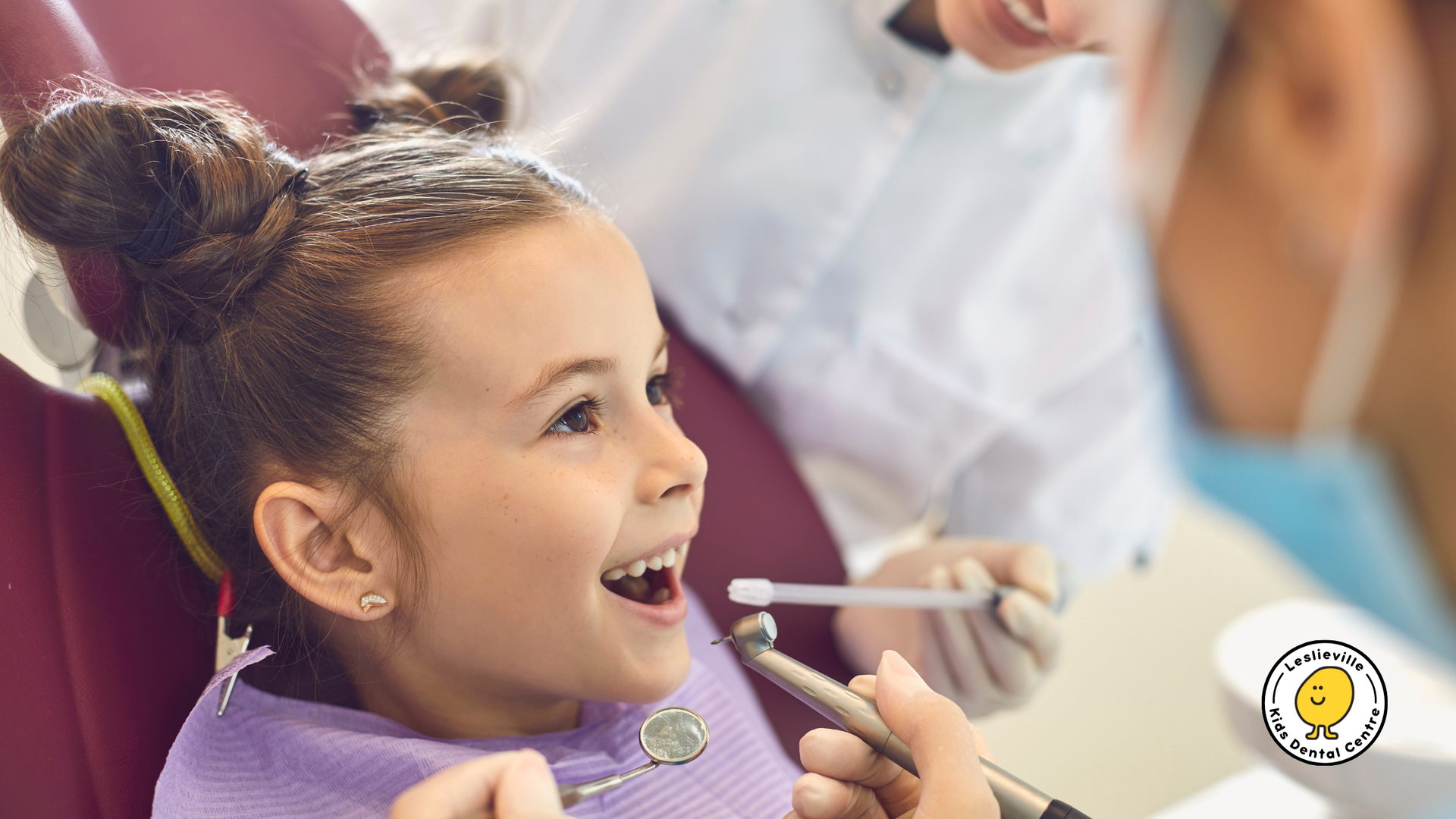
Gingivitis is an early form of gum inflammation and can occur in children as well as adults. Plaque accumulating around the gumline is a common cause.
Parents may notice gums that look red or swollen or bleed when a child brushes or flosses. Persistent bad breath may also occur when plaque and bacteria remain in difficult-to-clean areas.
Bleeding should not automatically be considered a reason to stop brushing. Gentle, thorough cleaning along the gumline is important for plaque removal. If bleeding, swelling, or redness continues despite consistent oral hygiene, a dental evaluation can help identify the cause.
Professional dental cleanings are also important because hardened deposits cannot be removed effectively with regular brushing at home.
Gum Changes Around Erupting Teeth
Children experience several stages of tooth eruption, and the gums can sometimes become sensitive when a new tooth is coming through.
The area may appear slightly swollen or feel tender. Children may avoid brushing around the erupting tooth because the area feels uncomfortable, but this can allow additional plaque to accumulate.
Parents can encourage gentle brushing with a soft-bristled toothbrush while monitoring the area. Persistent swelling, significant discomfort, discharge, or other unusual changes should be evaluated by our team rather than assumed to be a normal part of tooth eruption.
Regular dental visits allow our team to monitor how permanent teeth are emerging and whether there is enough space for proper development.
Gum Irritation from Food and Everyday Injuries

Children are active, and minor injuries inside the mouth are relatively common. A toothbrush pushed too firmly against the gums, a sharp piece of food, accidental biting, or a sports-related impact can irritate gum tissue.
Food can also become trapped between teeth and create localized tenderness. Children may describe the area as painful without being able to identify exactly where the discomfort is coming from.
Parents can look for visible irritation and encourage gentle cleaning. Persistent pain, swelling, bleeding, or signs of injury should be professionally assessed.
For children involved in contact or high-impact sports, a properly fitted mouthguard can provide additional protection for the teeth, gums, lips, and other oral tissues.
Mouth Sores Can Affect the Gums Too
Small sores can occasionally develop inside a child's mouth, including near the gums. Although many resolve on their own, they can make brushing, eating, or drinking uncomfortable.
A child may begin avoiding an area while brushing because it hurts. This can unintentionally allow plaque to accumulate nearby.
Parents should monitor how long the sore remains and whether additional symptoms develop. A sore that does not heal, repeatedly returns, becomes unusually painful, or is accompanied by other concerning symptoms should be examined by a dental or medical professional.
Daily Habits That Help Prevent Gum Problems

Preventing many common gum problems begins with simple, consistent habits. Parents often need to supervise or assist younger children until they develop enough coordination to clean effectively on their own.
Important habits include:
- Brushing twice daily using an age-appropriate amount of fluoride toothpaste.
- Cleaning carefully along the gumline rather than focusing only on the chewing surfaces of teeth.
- Flossing between teeth where a toothbrush cannot adequately reach.
- Using a soft-bristled toothbrush and avoiding overly aggressive brushing.
- Limiting frequent exposure to sugary foods and beverages.
- Attending regular dental examinations and professional cleanings.
Children learn through repetition. Making oral hygiene part of a predictable morning and bedtime routine can help healthy habits become easier to maintain.
Diet Can Influence Gum Health
Food choices affect more than cavity risk. Frequent snacking can increase the amount of plaque accumulating around the teeth and gums, particularly when children frequently consume sticky or sugary foods.
A balanced diet that includes vegetables, fruits, proteins, dairy products or appropriate alternatives, and plenty of water supports overall health as well as oral health.
Water is especially helpful between meals because it can rinse away loose food particles and does not expose the teeth to additional sugars.
This does not mean children can never enjoy treats. Frequency and daily oral hygiene matter. Teaching children to understand how everyday choices affect their mouths can help establish healthier habits without making dental care feel restrictive.
Do Not Wait for Gum Problems Before Visiting Us
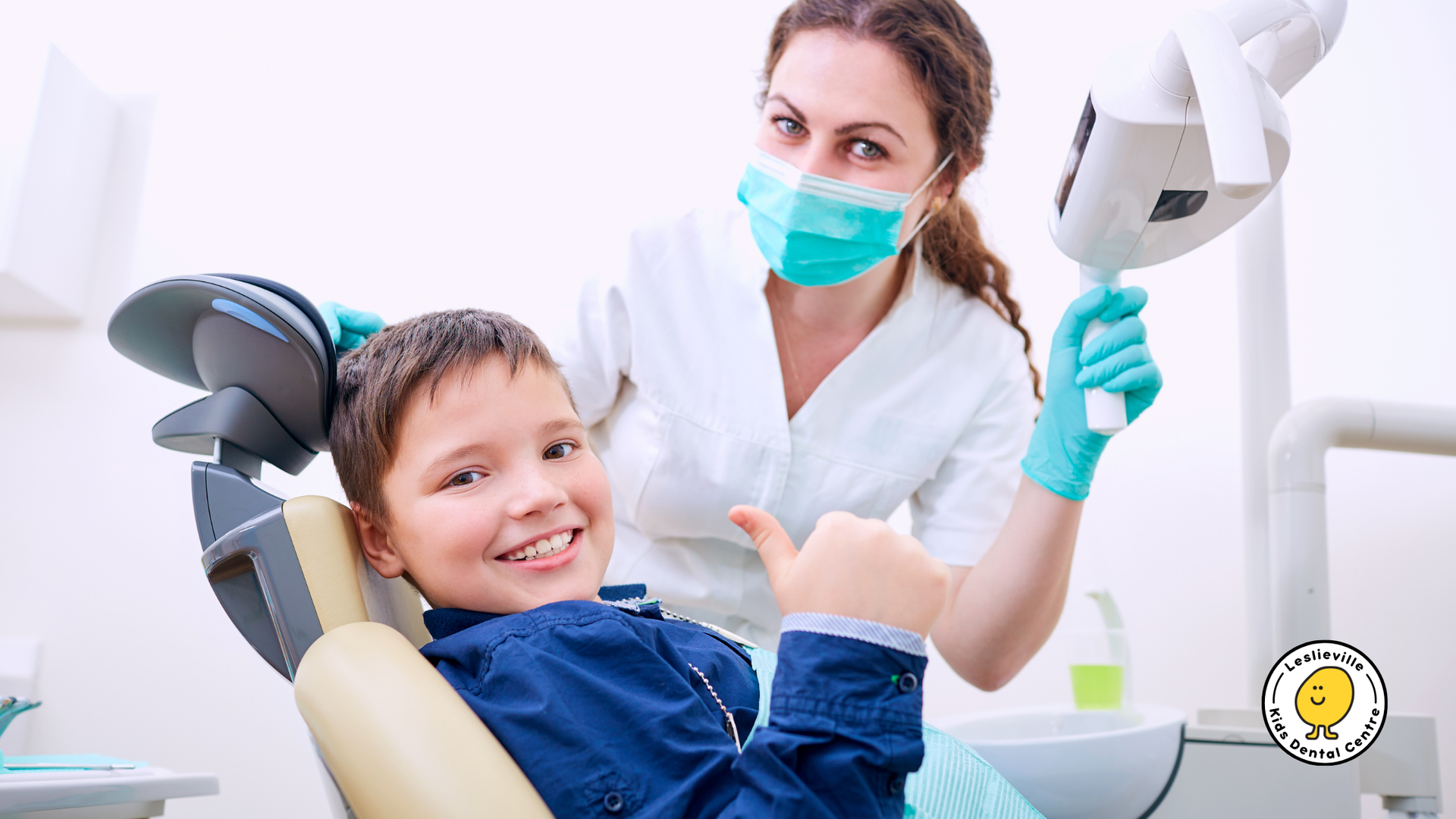
Preventive dental visits give parents and children an opportunity to discuss gum health before discomfort develops. During an examination, our team can identify plaque buildup, evaluate areas that bleed easily, monitor tooth eruption, and assess whether brushing and flossing techniques are effective.
Professional cleanings remove deposits that may remain despite good home care. These appointments also provide an opportunity for children to learn age-appropriate oral hygiene techniques directly from dental professionals.
At Leslieville Kids Dental Centre in Toronto, preventive visits are tailored to a child's stage of development and individual oral health needs.
Build Healthy Gum Habits Early

Good gum health starts long before adulthood. Teaching children to brush carefully along the gumline, floss consistently, make thoughtful food choices, and attend routine dental visits creates a strong foundation for lifelong oral health.
Parents also play an important role by checking brushing habits and paying attention to changes inside the mouth. Red, swollen, bleeding, or uncomfortable gums should not simply become something a child learns to tolerate.
If you have concerns about your child's gums or want to strengthen their preventive dental routine, Leslieville Kids Dental Centre provides pediatric dental care for families throughout Toronto. Regular examinations, professional cleanings, and personalized home-care guidance can help protect healthy teeth and gums throughout childhood and beyond.
Related Blogs