What Should I Feed My Toddler After Oral Surgery?
Source:
Dr. Marketing
Your toddler is home after oral surgery, their mouth is sore, and suddenly their usual snack feels like the wrong thing to offer.
Can they eat yogurt? Is pasta soft enough? Should everything be cold? What if they refuse dinner completely?
These are common concerns during the first few hours after a dental procedure. Toddlers cannot always explain whether something feels sore, tender, numb, or simply strange, so parents often have to rely on their behaviour. The goal during recovery is not to convince them to eat normally right away. It is to keep them comfortable and hydrated while choosing foods that require minimal chewing and are less likely to bother the healing area.
At Leslieville Kids Dental Centre in Toronto, we help parents understand what recovery may look like after their child’s procedure. Your child’s specific post-procedure instructions should always come first, but knowing what to keep in the refrigerator can make those first few days much easier.
What Should Your Toddler Eat First?
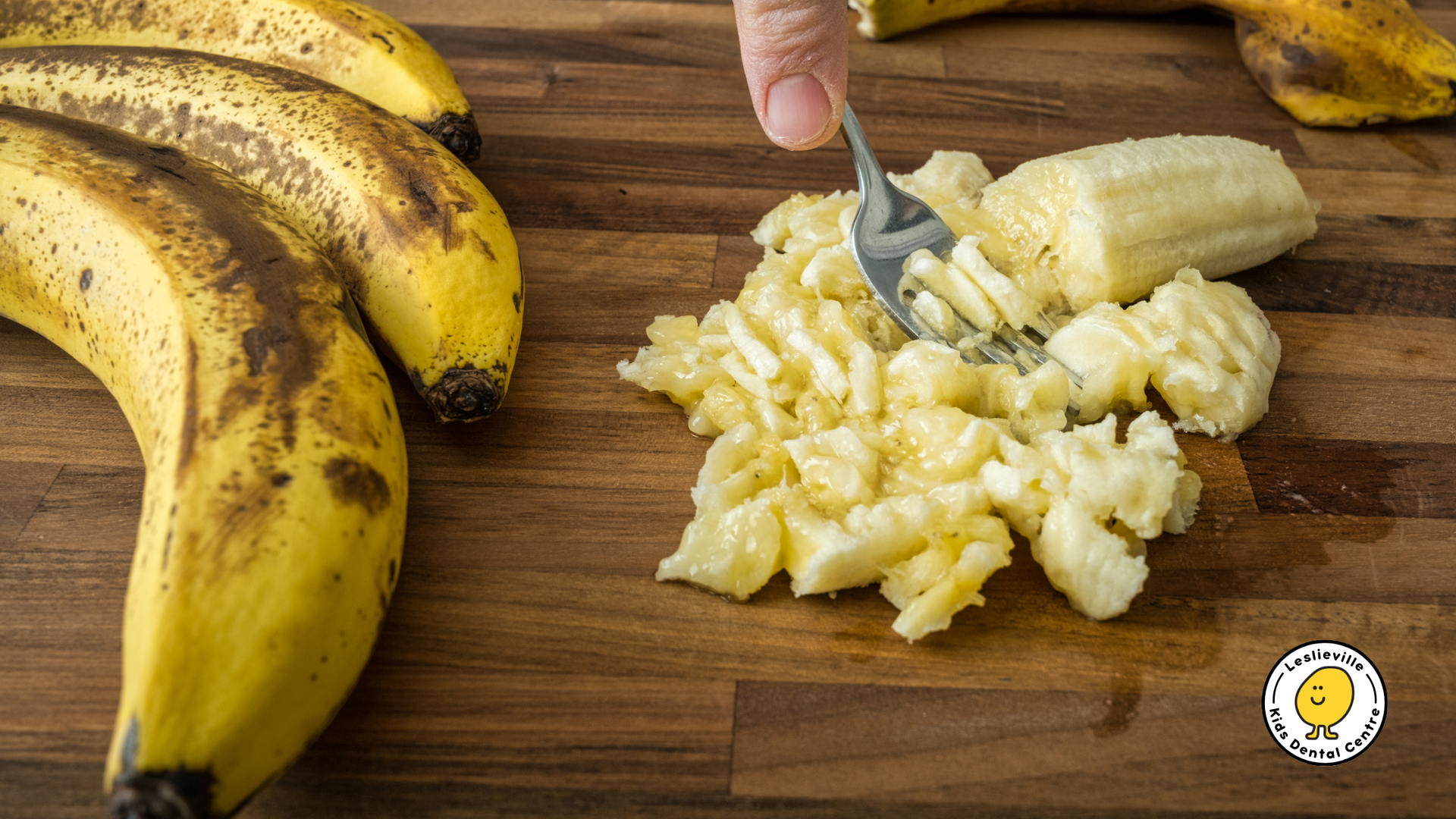
For the first meals after oral surgery, simple is usually better. Think about how much work your toddler’s mouth has to do to eat something. Foods that are smooth, cool or comfortably warm, and easy to swallow generally require less effort from a tender mouth. Some useful options include:
- Applesauce or smooth fruit puree
- Yogurt
- Mashed banana or avocado
- Pudding
- Smooth mashed potatoes
- Soft scrambled eggs
- Oatmeal allowed to cool before serving
- Pureed or smooth soups served at a comfortable temperature
- Cottage cheese, if your child already enjoys the texture
- Very soft pasta as their comfort improves
You do not need to introduce unfamiliar “recovery foods” simply because your child had a procedure. If they already enjoy yogurt, banana, or scrambled eggs, familiar choices may be easier to accept when they are tired or uncomfortable.
Start with small portions. A full plate can feel overwhelming to a toddler who does not have much of an appetite. A few spoonfuls can be enough to see how they respond.
Wondering What Your Child Can Eat After Their Procedure?
Recovery recommendations can vary depending on the treatment your child received. If you are unsure when to introduce certain foods, contact Leslieville Kids Dental Centre in Toronto for guidance based on your child’s procedure.
Your Toddler Refuses to Eat. Should You Worry?
This is often the moment parents become concerned.
A toddler who normally asks for snacks may suddenly push everything away. Their mouth may feel tender, they may still be tired from the appointment, or the sensation of numbness may make eating feel unusual.
Try not to turn the first meal into a negotiation.
Instead, offer small amounts periodically and pay particular attention to hydration. Follow any instructions you received regarding when your child can begin drinking after their procedure.
Water is often the simplest option once fluids are permitted. Depending on the procedure, our team may also recommend avoiding straws. After certain oral surgeries, suction from a straw can interfere with the healing area.
If your toddler refuses both food and fluids or you are concerned about dehydration, contact our team for advice rather than waiting for the appetite to return on its own.
“Soft” Does Not Automatically Mean Safe for a Healing Mouth
This is an easy mistake to make.
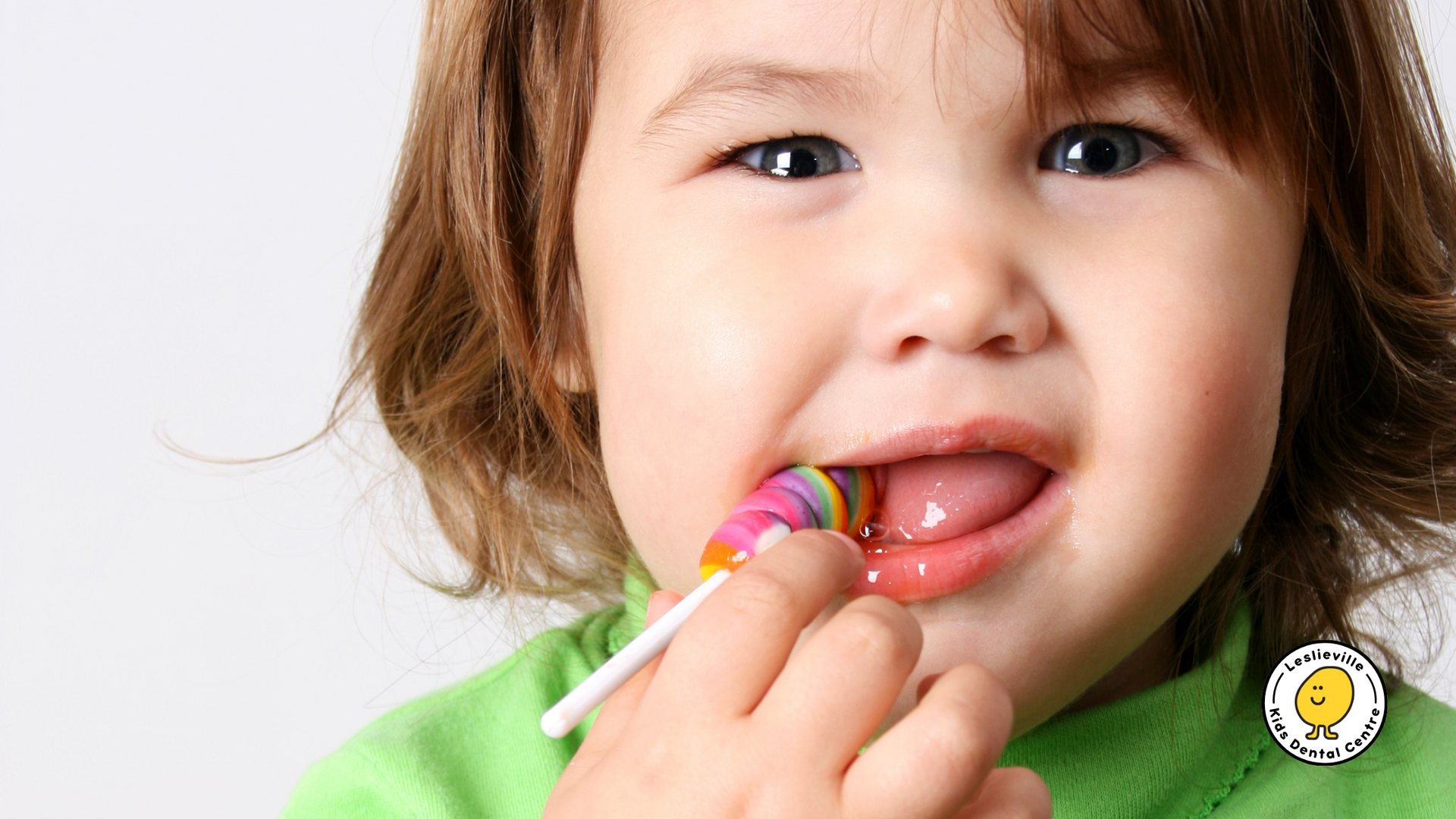
Parents naturally focus on texture, but softness is only part of the equation. A food can be soft and still be sticky, spicy, acidic, very hot, or filled with tiny pieces that may irritate a sensitive surgical area.
During early recovery, you may need to temporarily avoid foods such as crunchy crackers, chips, popcorn, nuts, seeds, hard cereal, raw vegetables, chewy candy, and tougher meats.
Small particles deserve attention too. Foods containing seeds, crumbs, or small crunchy pieces can be difficult to manage around a healing area.
Temperature also matters. A steaming bowl of soup may technically be soft, but very hot food can be uncomfortable when tissues are sensitive. Let cooked foods cool before serving them.
You can gradually move toward more textured foods as your toddler becomes comfortable chewing again and according to the instructions provided by our team.
Be Extra Careful While Their Mouth Is Numb
Your toddler may leave the appointment feeling surprisingly energetic while their lip, cheek, or tongue is still numb.
That is when supervision becomes especially important.
Young children are naturally curious about unfamiliar sensations. A numb lip may suddenly become something they want to bite, chew, suck, or poke because it feels “funny.” Since they cannot properly feel the area, they may injure the soft tissue without realizing it.
Keep an eye on your child until normal sensation has returned, and follow the feeding instructions you received after the procedure.
If they keep touching the numb area, redirect them toward a quiet activity rather than repeatedly telling them not to touch it. A favourite book, movie, puzzle, or toy can be surprisingly helpful during this part of recovery.
What Can They Eat the Next Day?
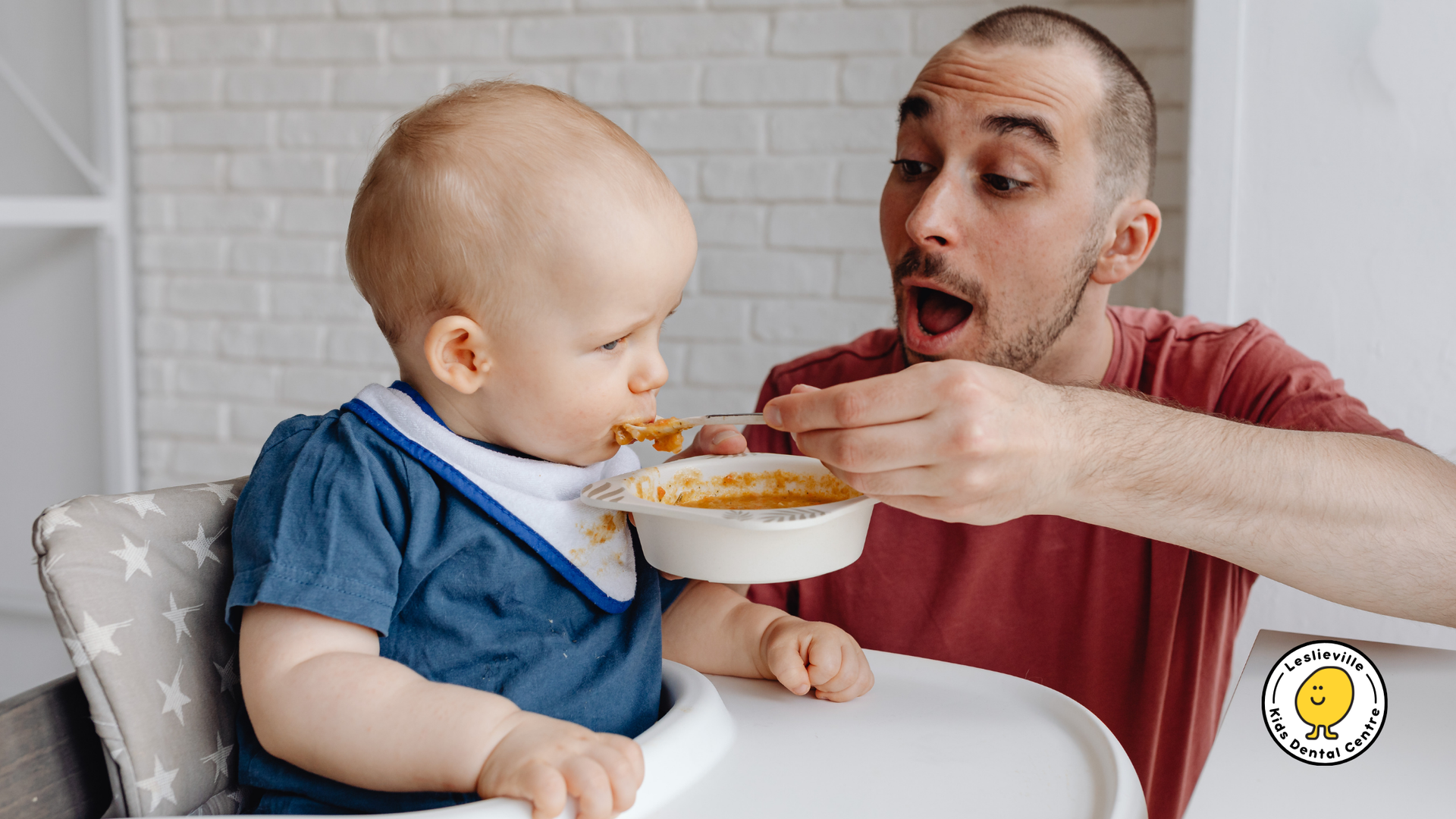
Parents often expect a clear moment when the “soft food diet” ends. Recovery is usually more gradual than that.
Your toddler may be ready for slightly more substantial foods while still avoiding anything hard or difficult to chew.
This could mean progressing from applesauce and yogurt to foods such as scrambled eggs, soft pancakes, well-cooked pasta, mashed vegetables, soft rice dishes, tender fish, or other foods that can be eaten comfortably.
Let your child’s comfort guide the transition, along with the instructions from our team.
If they try something and immediately stop chewing on that side, complain, or refuse another bite, do not force it. Return to an easier texture and try again later.
Recovery is not a race back to crunchy snacks.
Make Recovery Easier With the Right Guidance
Questions often come up once families are back home. If you are unsure about eating, brushing, activity, or changes around the treated area, Leslieville Kids Dental Centre in Toronto can help you understand what is expected during your child’s recovery.
Food Is Only One Part of a Comfortable Recovery
Once you have figured out what your toddler can eat, there are a few other things worth keeping in mind.
Your child may need a quieter day than usual. Running, jumping, and energetic play may not be appropriate immediately after some procedures, so follow the activity recommendations provided by our team.
Oral hygiene may also need to look slightly different temporarily. Keeping the mouth clean remains important, but brushing around the treated area may require additional care. Avoid poking or repeatedly inspecting the surgical site, and follow the specific cleaning instructions you were given.
Most importantly, expect your toddler to act like a toddler.
They may be clingier. They may want the same movie three times. They may ask for food and then refuse it when you bring it. They may nap at an unusual time or become frustrated because they cannot eat the snack they normally want.
Recovery can temporarily disrupt routine, and a little flexibility can make the day easier for everyone.
How Do You Know If Recovery Is Going Normally?
Parents know their children well, and changes that seem unusual deserve attention.
Some tenderness, reduced appetite, and mild swelling may occur after certain oral procedures. What is expected depends heavily on the treatment performed.
Follow the postoperative instructions you received, including any guidance about discomfort, medication, bleeding, swelling, eating, and cleaning the mouth.
Contact our team if bleeding does not settle as instructed, discomfort seems to be getting worse rather than improving, your child cannot keep fluids down, they are not drinking adequately, swelling seems unusual, or something simply does not look or feel right.
You do not need to diagnose the problem yourself.
A quick call can help determine whether what you are seeing is part of normal healing or whether your child should be evaluated.
Keep the First Few Days Simple
After your toddler’s oral surgery, you do not need an elaborate recovery menu.
The most helpful foods are often already familiar: yogurt, applesauce, mashed banana, eggs, potatoes, oatmeal, soft pasta, and other easy-to-manage options. The important part is matching the texture and temperature to your child’s comfort while following the instructions given for their procedure.
As their mouth begins to feel better, their usual eating habits can gradually return.
And if dinner on the first night consists of three spoonfuls of yogurt and a lot of cuddles, that does not mean recovery is going badly.
Give them time, keep an eye on hydration, protect the treated area, and introduce regular foods gradually.
If your child has an upcoming oral procedure, schedule an appointment with Leslieville Kids Dental Centre in Toronto. Our team can help you understand what to expect before treatment and how to support your toddler through a more comfortable recovery at home.
Related Blogs