



Tooth Decalcification in Children: Causes, Signs, and Treatment

Source: Dr. Marketing
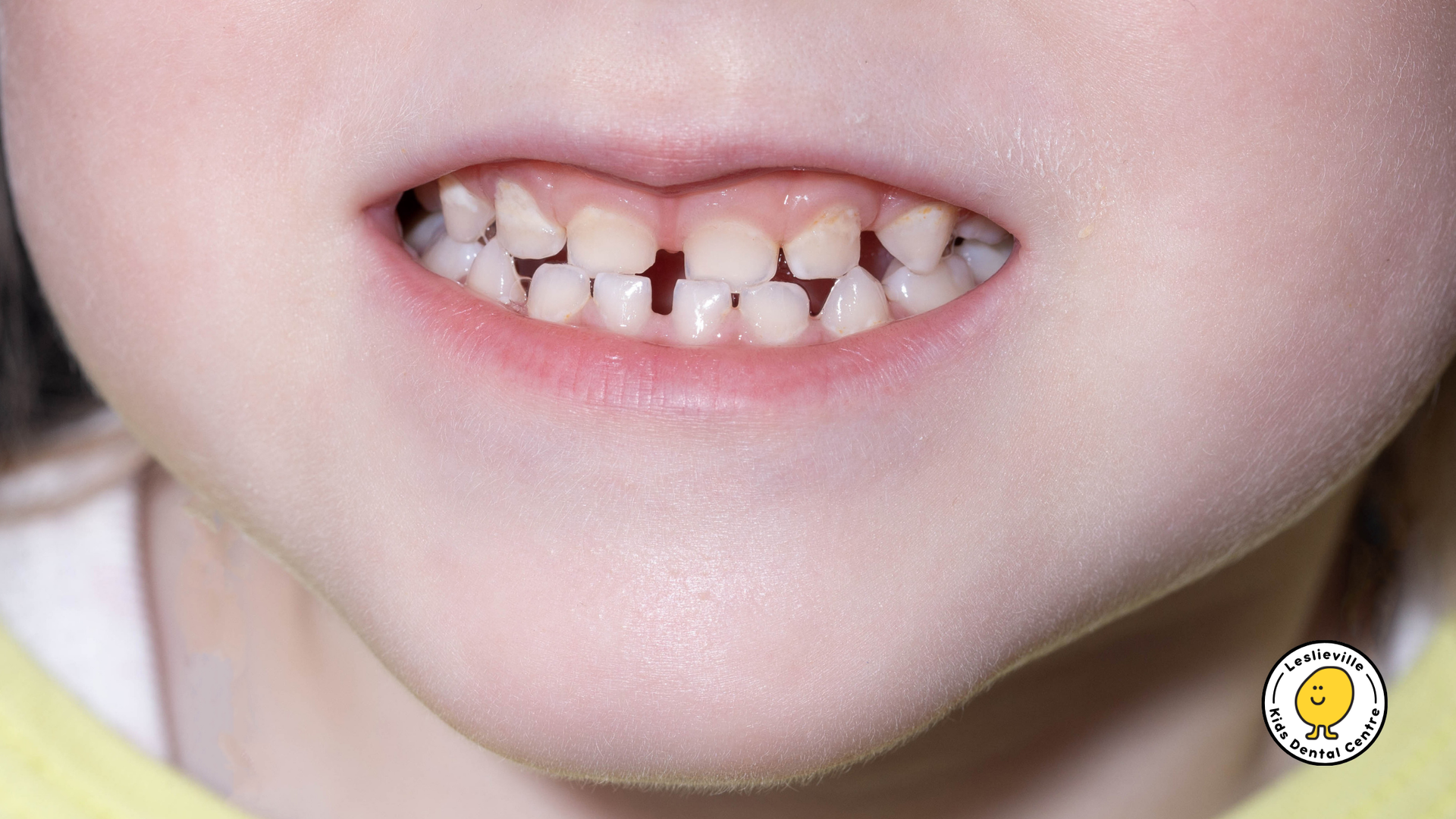
You are helping your child brush their teeth when you notice a chalky white patch on one of their front teeth. It does not look like a typical stain, and brushing does not make it disappear.
Could it be an early cavity? Is the enamel damaged? Will the white spot go away?
One possible explanation is tooth decalcification, a condition that occurs when minerals are lost from tooth enamel. Although the surface may still appear intact, the weakened enamel can become more vulnerable to decay.
The good news is that early mineral loss can sometimes be stopped or partially reversed before a cavity develops.
At Leslieville Kids Dental Centre, we help parents recognize early enamel changes and understand how preventive dental care can protect their children's teeth.
What Is Tooth Decalcification in Children?

Tooth enamel is the protective outer layer of a tooth. It contains minerals, primarily calcium and phosphate, that help keep teeth strong.
When bacteria in dental plaque interact with sugars and other carbohydrates, they produce acids that gradually remove minerals from the enamel. This process is called demineralization.
Normally, saliva helps replace lost minerals and neutralize acids. However, frequent sugar exposure and plaque buildup can disrupt this balance. As enamel loses minerals, it may develop chalky white spots that look different from the surrounding tooth surface.
These changes are often painless, which means parents may notice them before their child experiences any discomfort.
Why Do Children Develop White Spots on Their Teeth?

Several factors can contribute to enamel decalcification.
- Frequent sugary snacks and drinks: Repeated exposure to sugar allows plaque bacteria to produce acids throughout the day.
- Inadequate brushing: Plaque buildup near the gumline or between teeth can contribute to mineral loss.
- Orthodontic appliances: Braces can make cleaning more difficult, increasing the risk of white spots around brackets.
- Limited fluoride exposure: Fluoride helps strengthen enamel and supports remineralization.
- Dry mouth: Reduced saliva can limit the mouth's natural ability to neutralize acids and replenish minerals.
However, not every white spot is caused by decalcification.
Some children have enamel developmental conditions, such as hypomineralization or dental fluorosis, that create similar-looking marks. A pediatric dental examination can help determine the cause and whether treatment is necessary.
Is Tooth Decalcification the Same as a Cavity?

Decalcification and cavities are closely related, but they are not identical. Decalcification occurs when enamel begins losing minerals. At this stage, the surface may still be intact, even though a white spot has become visible.
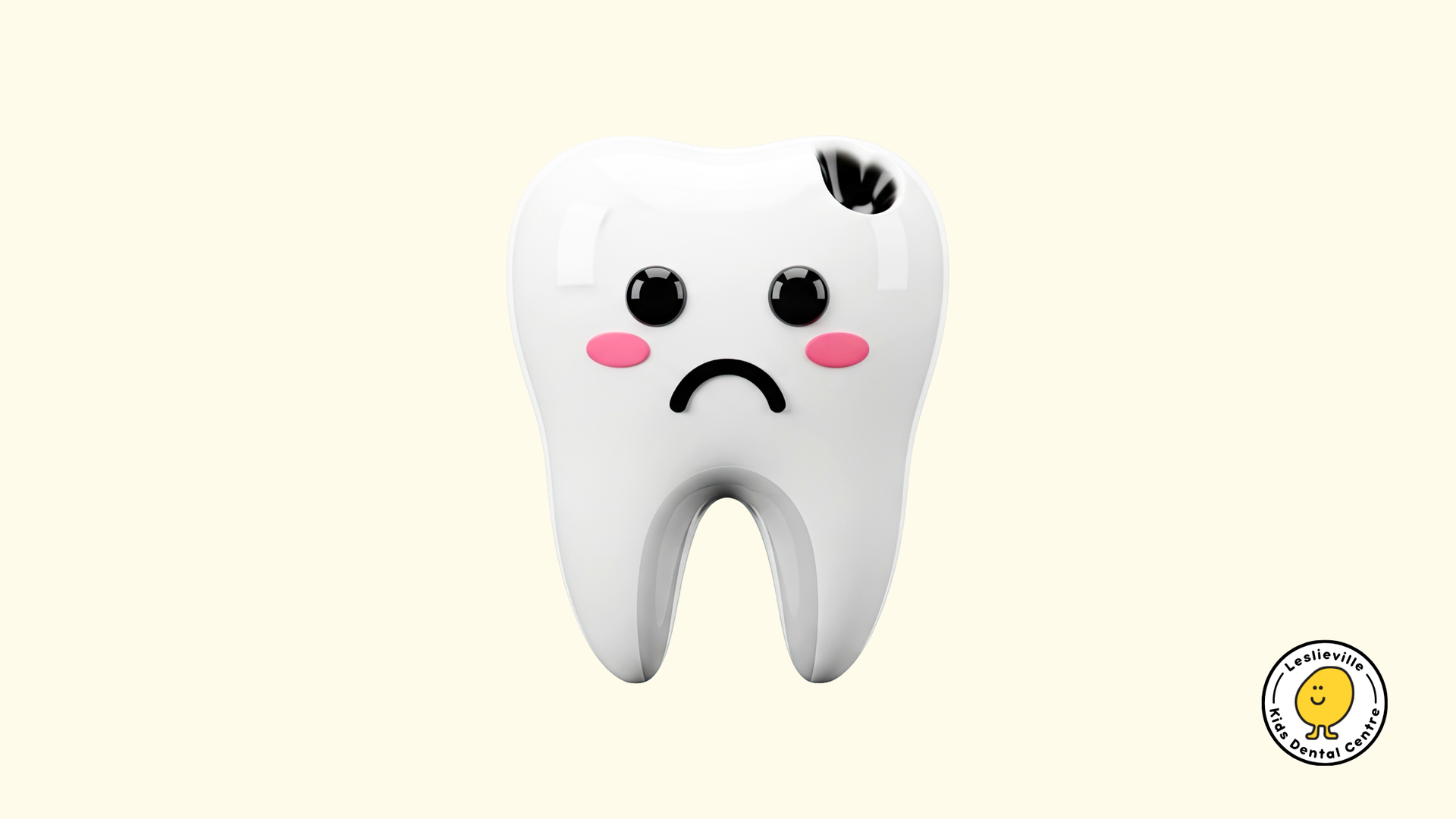
A cavity develops when mineral loss progresses enough to cause physical breakdown of the tooth structure. This distinction is important because early decalcification may be managed without a filling.
With appropriate fluoride exposure, improved oral hygiene, and dietary changes, some early enamel lesions can become stable or regain minerals. However, a white spot may remain visible even after the enamel is no longer actively losing minerals.
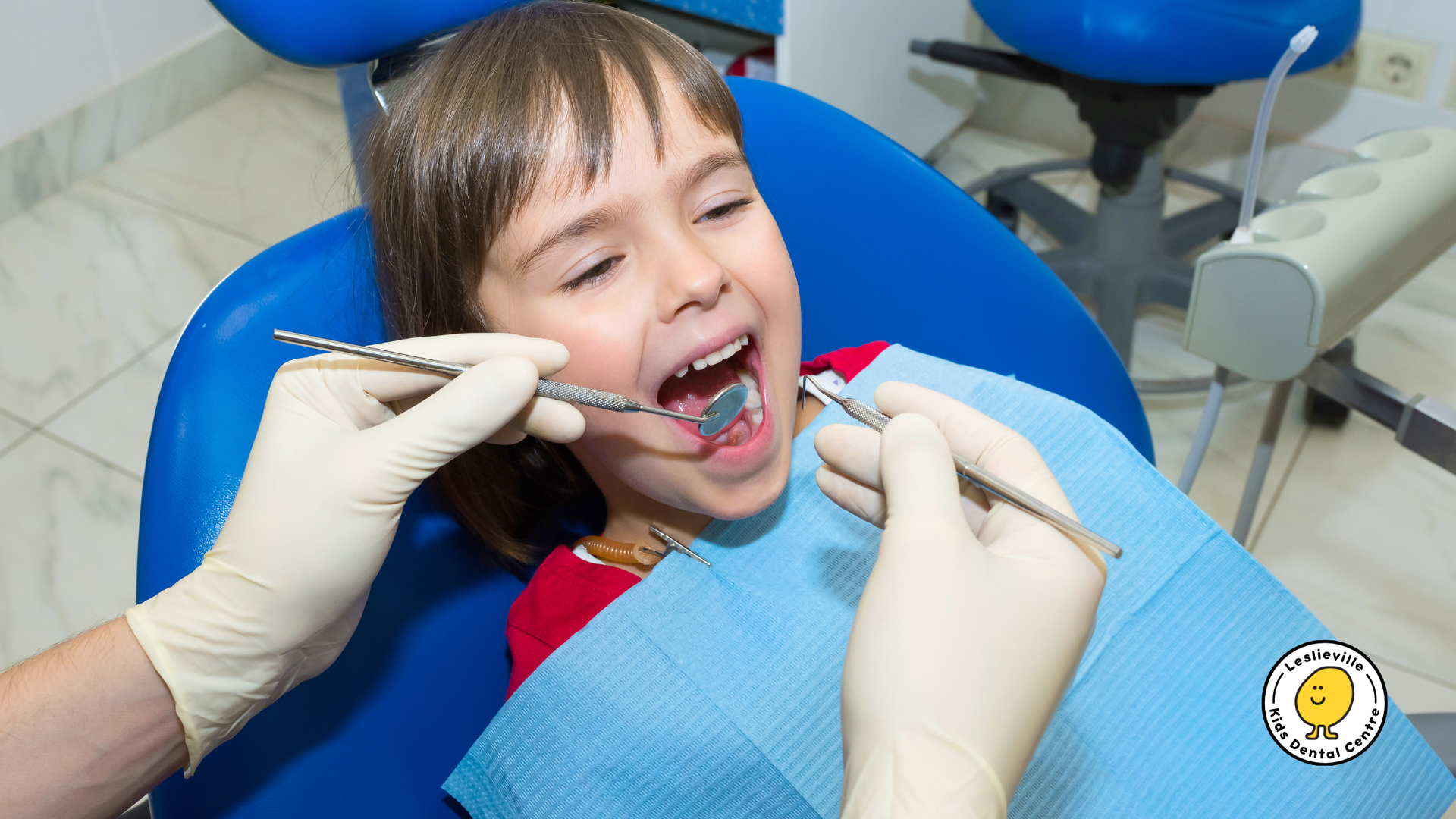
If you notice unusual white patches on your child's teeth, an early dental assessment can help identify whether preventive treatment is appropriate.
How Is Tooth Decalcification Treated in Children?

Treatment depends on the cause, severity, and condition of the affected enamel. At Leslieville Kids Dental Centre, we focus on identifying the source of mineral loss and recommending appropriate care to help protect your child's teeth.
Fluoride Treatments
Professional fluoride varnish may help strengthen weakened enamel and support remineralization. Children with early white spot lesions or an increased risk of cavities may benefit from additional preventive fluoride care.
Personalized Oral Hygiene Guidance
Improving brushing techniques and using an age-appropriate amount of fluoride toothpaste can help reduce plaque buildup. Our team can also identify areas that need extra attention, particularly around orthodontic appliances.
Dietary Recommendations
Reducing frequent sugary snacks and sweetened beverages can help limit repeated acid exposure. Encouraging water between meals and establishing regular eating routines can support enamel health.
Monitoring and Additional Treatment
Some early enamel changes can be monitored during regular dental examinations. If the enamel has developed a cavity, restorative treatment may be necessary. Other approaches may be considered for persistent white spots, depending on their cause and the child's age.
Can Parents Prevent Decalcification in Baby and Permanent Teeth?

Both baby teeth and permanent teeth can develop enamel mineral loss. Although baby teeth eventually fall out, protecting them remains important for comfortable eating, speech, and healthy oral development. Parents can help reduce the risk of decalcification by:
- Helping children brush twice daily with fluoride toothpaste
- Flossing between teeth that touch
- Limiting frequent sugary snacks and drinks
- Encouraging water throughout the day
- Paying extra attention to cleaning around braces
- Scheduling regular pediatric dental examinations
Children younger than three generally need a rice-grain-sized smear of fluoride toothpaste, while children ages three to six typically use a pea-sized amount under adult supervision. Consistent preventive care can help identify enamel changes before they progress into cavities.
When Should You Schedule a Pediatric Dental Appointment?

White spots do not always indicate tooth decay, but new or changing marks deserve attention.
Schedule an examination if you notice chalky patches, increasing discolouration, tooth sensitivity, rough enamel, or visible holes. Avoid attempting to remove white spots with whitening products or abrasive home remedies, as these may damage the enamel.
At Leslieville Kids Dental Centre, we help families in Toronto understand the causes of enamel changes and explore preventive treatments suited to their children's needs. If you have noticed white spots or unusual changes in your child's teeth, book a pediatric dental consultation with our team. Early evaluation can help protect developing enamel and reduce the risk of future cavities.