Shark Teeth in Kids: Do They Always Need Extraction?
Source:
Dr. Marketing
As a parent, it can be surprising to look inside your child's mouth and notice a second row of teeth appearing behind their baby teeth. Many parents describe this appearance as looking similar to a shark's mouth, which is why the condition is commonly referred to as "shark teeth."
While shark teeth can be alarming at first, they are actually a fairly common part of dental development in some children. In many cases, the issue resolves naturally as baby teeth loosen and fall out. However, there are situations where professional intervention may be necessary to help permanent teeth erupt properly and prevent future alignment concerns.
At Leslieville Kids Dental Centre in Toronto, we often help parents understand why shark teeth occur, when treatment may be needed, and what options are available to ensure healthy dental development.
What Are Shark Teeth?
Shark teeth occur when permanent teeth begin erupting before the corresponding baby teeth have fallen out. Instead of taking the place of the baby teeth immediately, the permanent teeth emerge behind or sometimes in front of them, creating the appearance of two rows of teeth.
This most commonly occurs in the lower front teeth, although it can happen in other areas of the mouth as well.
Normally, as permanent teeth develop beneath the gums, they gradually dissolve the roots of the baby teeth. Once the roots become weak enough, the baby teeth loosen and eventually fall out, making room for the permanent teeth to move into position.
When this process does not happen as expected, the permanent teeth may begin erupting while the baby teeth remain firmly in place.
Although the appearance can look dramatic, shark teeth do not always indicate a serious problem.
Why Do Shark Teeth Happen?
The transition from baby teeth to permanent teeth is a complex process that does not always follow a perfect timeline. Several factors can contribute to shark teeth developing.
One common reason is that the permanent tooth erupts at a slightly different angle than expected. Instead of directly dissolving the root of the baby tooth, it may develop behind it, allowing both teeth to remain present simultaneously.
Genetics can also play a role. Some children naturally experience slower root resorption of baby teeth, which means the permanent teeth emerge before the baby teeth have had time to loosen. Jaw size and spacing may also influence eruption patterns. If there is limited room for permanent teeth to emerge, they may follow a path that results in the appearance of shark teeth.
In many situations, the issue is simply part of a child's natural dental development and does not indicate an underlying problem.
Are Shark Teeth Always a Cause for Concern?

One of the biggest misconceptions about shark teeth is that they always require extraction. In reality, many cases resolve without any intervention.
When a permanent tooth erupts behind a baby tooth, the baby tooth often begins loosening shortly afterward. Everyday activities such as chewing, speaking, and gentle wiggling can encourage the baby tooth to fall out naturally. Once the baby tooth is gone, the tongue and normal oral function often help guide the permanent tooth into a more appropriate position over time.
Because of this, we recommend monitoring the situation before immediately considering treatment. However, there are circumstances where professional evaluation becomes important. If the baby tooth remains firmly attached for an extended period, the permanent tooth may not have enough space to move into its proper position. This can increase the likelihood of crowding and alignment concerns later on.
Regular visits allow the eruption process to be monitored and help determine whether the situation is progressing normally or requires intervention.
Signs Your Child May Need Treatment
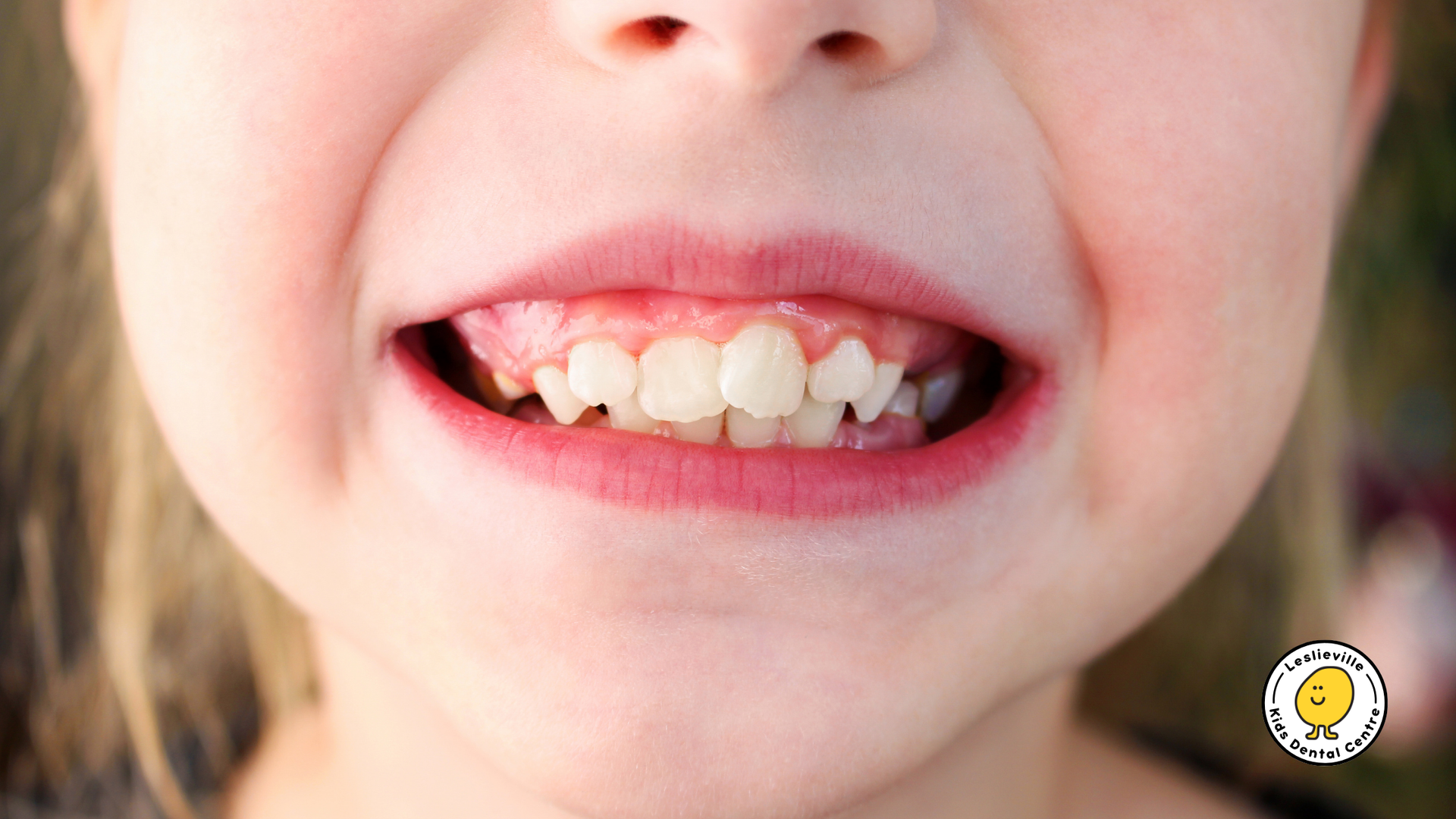
While some shark teeth resolve on their own, certain signs may indicate that professional treatment should be considered. Parents should schedule an evaluation if:
- The baby tooth remains firmly attached after the permanent tooth has erupted.
- The permanent tooth continues moving further behind the baby tooth.
- The child experiences discomfort while chewing.
- Oral hygiene becomes difficult due to overlapping teeth.
- Significant crowding appears to be developing.
- The permanent tooth has erupted substantially, while the baby tooth shows little sign of loosening.
An early assessment can help determine whether monitoring is appropriate or whether treatment may help support healthier tooth development.
What Happens During a Dental Evaluation?
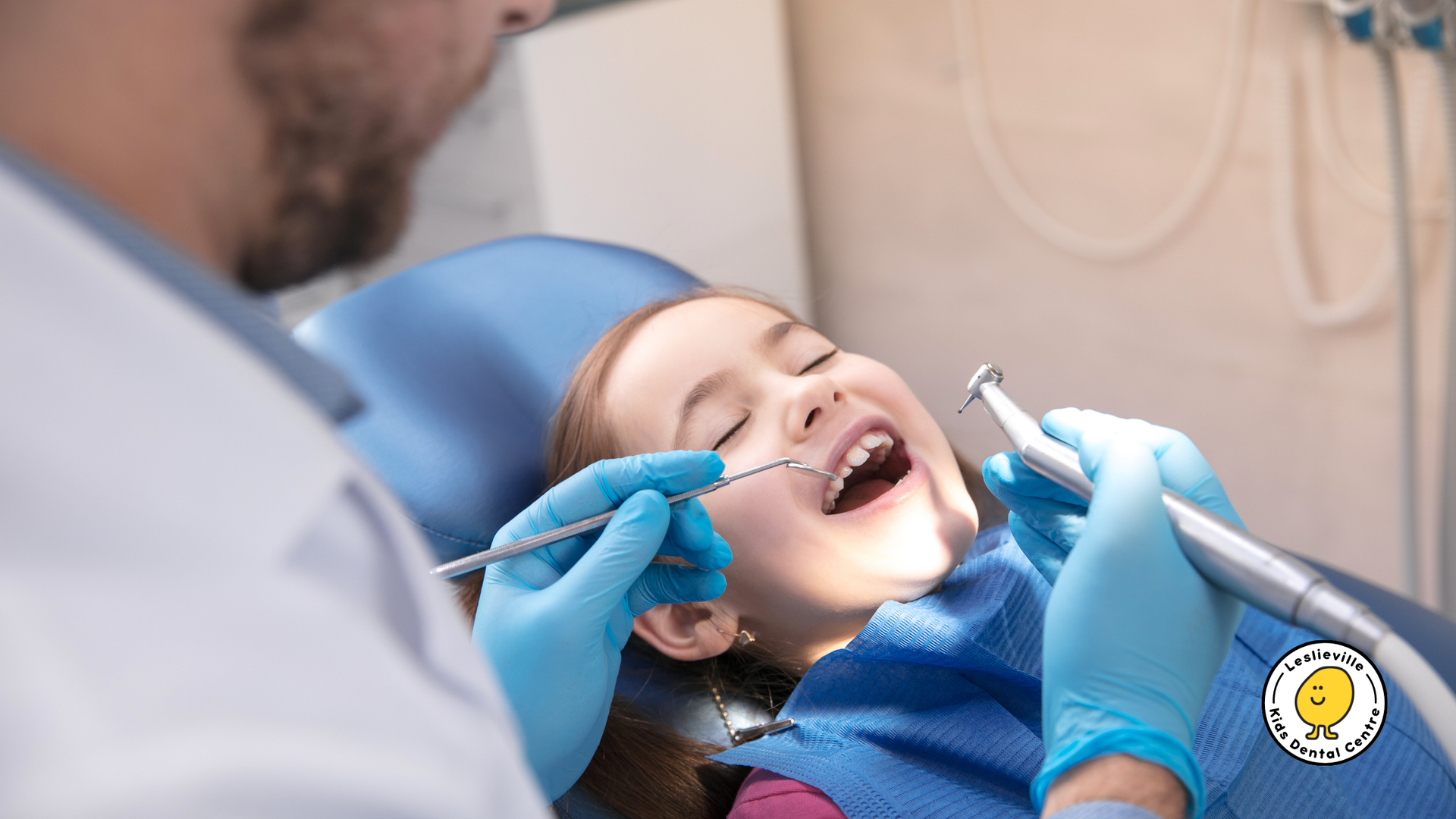
When a child visits Leslieville Kids Dental Centre in Toronto for shark teeth concerns, the first step is a thorough examination of the teeth and eruption pattern. We will assess:
- The position of the permanent teeth
- The mobility of the baby teeth
- Available space within the dental arch
- Overall bite development
- Signs of crowding or alignment concerns
In some cases, dental X-rays may be recommended to evaluate how the permanent teeth are developing beneath the gums and to determine whether additional treatment may be beneficial. The goal is to understand whether the situation is likely to resolve naturally or whether intervention may help guide healthier dental development.
Treatment Options for Shark Teeth
Treatment recommendations depend on the child's age, dental development, and how the permanent teeth are erupting.
Monitoring and Observation
Many children do not require immediate treatment. If the baby tooth has started loosening and the permanent tooth appears to be moving appropriately, monitoring may be the best approach. Parents are often encouraged to have their child gently wiggle the loose baby tooth as directed by our dentist. This natural process frequently allows the tooth to fall out without additional treatment.
Follow-up visits help ensure that the permanent teeth continue moving into position as expected.
Baby Tooth Extraction
If the baby tooth remains firmly attached and is preventing the permanent tooth from moving into its proper location, extraction may be recommended. Removing the retained baby tooth creates space for the permanent tooth and allows natural tooth movement to occur more effectively.
Parents are often surprised by how straightforward these procedures can be. In many cases, children recover quickly and experience minimal disruption to their daily routine. It is important to understand that extraction does not necessarily mean orthodontic treatment will be required. Many permanent teeth gradually move into a better position once the baby tooth has been removed and adequate space becomes available.
Sedation Options for Nervous Children
One concern many parents have when discussing tooth extraction is whether their child will be comfortable during treatment.
Every child responds differently to dental care. Some children feel relaxed and cooperative with local anesthesia alone, while others may benefit from additional support to help reduce anxiety. Nitrous oxide, commonly known as laughing gas, is a popular option for many pediatric dental procedures. It helps children feel more relaxed while remaining awake and able to communicate throughout treatment.
For children with higher levels of anxiety or more complex treatment needs, additional sedation options may be discussed based on their individual situation.
At Leslieville Kids Dental Centre in Toronto, the focus is always on creating a comfortable and positive experience while prioritizing safety and individualized care.
What Happens After an Extraction?
Parents often wonder whether the permanent tooth will automatically move into place after a baby tooth is removed. Fortunately, children have a remarkable ability to adapt during growth and development. In many cases, once the retained baby tooth is removed, the permanent tooth gradually shifts toward a more natural position over the following months.
The tongue, normal chewing function, and ongoing jaw development all contribute to this process.
Regular follow-up appointments remain important because they allow us to monitor how the permanent teeth continue to erupt and determine whether any future treatment may be beneficial.
Supporting Healthy Dental Development

The transition from baby teeth to permanent teeth is an exciting milestone, but it is not always perfectly predictable. Shark teeth are a common occurrence that can look concerning to parents, even when the situation is progressing normally.
Understanding the difference between a temporary developmental phase and a condition that requires treatment can help parents feel more confident about their child's oral health. Early evaluation allows potential concerns to be identified before they become more significant and provides reassurance when monitoring is all that is needed.
We help families navigate every stage of dental development, from the first loose tooth to the eruption of permanent teeth. If you notice a second row of teeth developing behind your child's baby teeth, book a consultation with Leslieville Kids Dental Centre in Toronto. Early evaluation can help determine whether monitoring, extraction, or other treatment options are appropriate for your child's growing smile.
Related Blogs